Green Technology
Biodegradable Waste Treatment
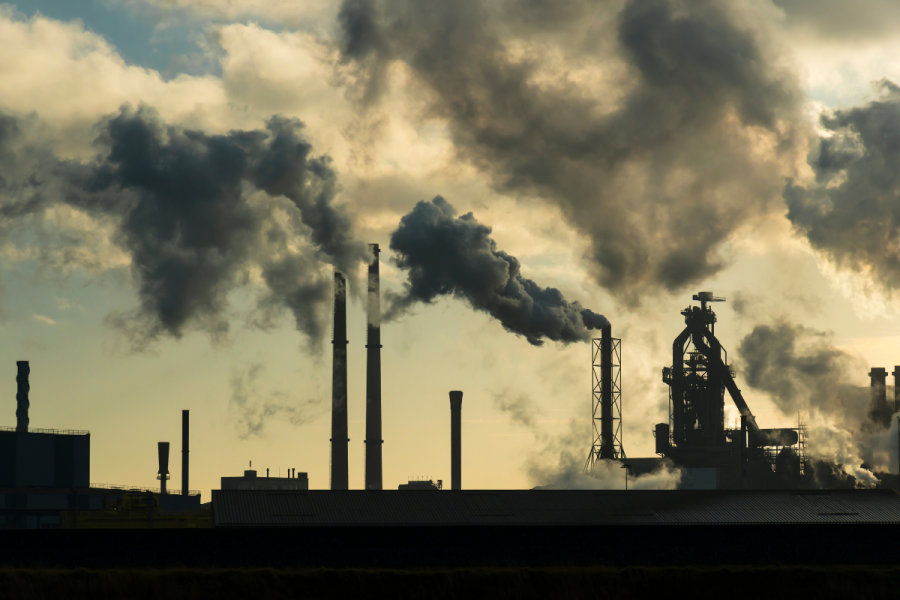
Biodegradable waste — food scraps, garden and agricultural residues — isn't a problem, but a resource waiting for the right treatment. When it ends up in a landfill, decomposing without oxygen, it releases methane (CH4), a gas with a warming potential up to 80 times greater than CO2 over the short term, along with nitrous oxide (N2O) and volatile organic compounds (VOCs) that further burden air quality. Through properly controlled composting or anaerobic digestion, that same waste is converted into compost or biogas, with a significantly smaller environmental footprint.
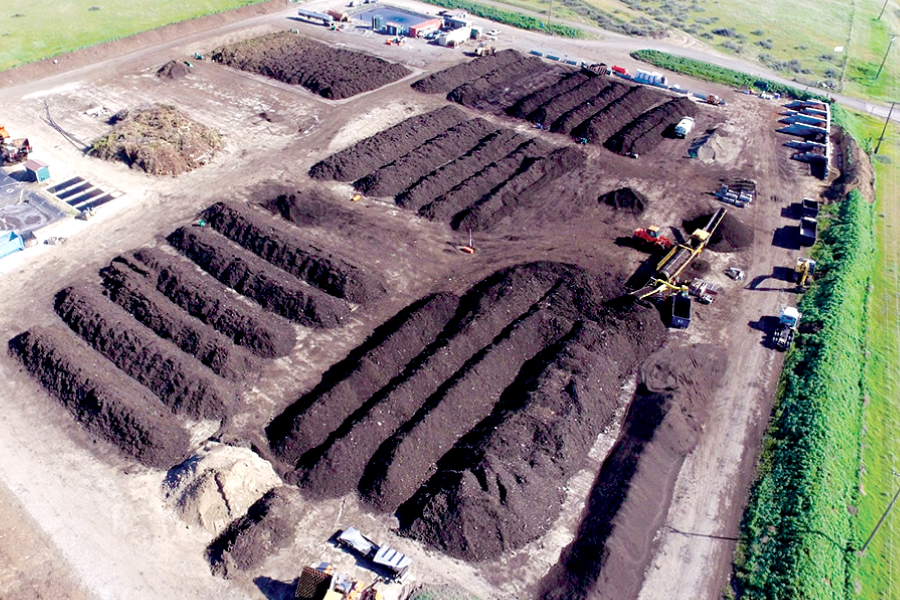
We offer a complete solution for this process — from receiving and shredding incoming waste, through mixing and aeration during composting, to continuous monitoring of key parameters (temperature, humidity, gas concentration) that keep the process running optimally with minimal emissions.
According to available studies, properly managed composting instead of landfilling can reduce overall greenhouse gas emissions by 38% to as much as 84%, depending on the technology, process management, and waste type. With our solution, that potential is further maximized through precise process control and minimized losses.
The result: less waste in landfills, significantly lower emissions of methane and other harmful gases, and valuable compost returned to the soil.
Mechanical Waste Separation Plant
The waste you throw away isn't trash – it's a raw material waiting for a second chance. Every day, tons of paper, cardboard, plastic, metal, and glass end up buried in landfills, even though they could live again as new raw material. And while they sit there, mixed in with everything else, they quietly release methane (CH4) and nitrous oxide (N2O) – gases that heat the planet far faster than CO2. Add to that the CO2 that would be emitted by producing entirely new raw materials instead of recycling existing ones, and the picture becomes clear: unsorted waste costs us more than we think.
Our mechanical separation plant solves that problem where it starts – before the waste ever reaches the landfill. Through carefully designed steps of screening, size and density separation, and extraction of metals and lightweight fractions, we pull out what's valuable from the mixed stream – at the pace and precision that fit your needs.
- Semi-automatic line - the machinery does the heavy lifting, people give the final quality stamp. Ideal for smaller capacities and a more varied waste input. At the European level, these lines typically recover 50–70% of recyclable material from the input stream.
- Fully automatic line – sensors, optics, and air separators do it all, 24/7, without fatigue and without error. Modern European lines of this type achieve 85% to over 95% recovery of targeted fractions, with higher throughput and consistent material purity.
Less waste in landfills. Fewer emissions accelerating climate change. More raw material flowing back into production instead of into the ground. By recycling instead of producing from virgin raw materials, the materials recovered at our plant save an average of 30–90% of CO2 emissions per tonne of material – from 90%+ for metals to 30–60% for plastic, paper, and glass – depending on the material type